


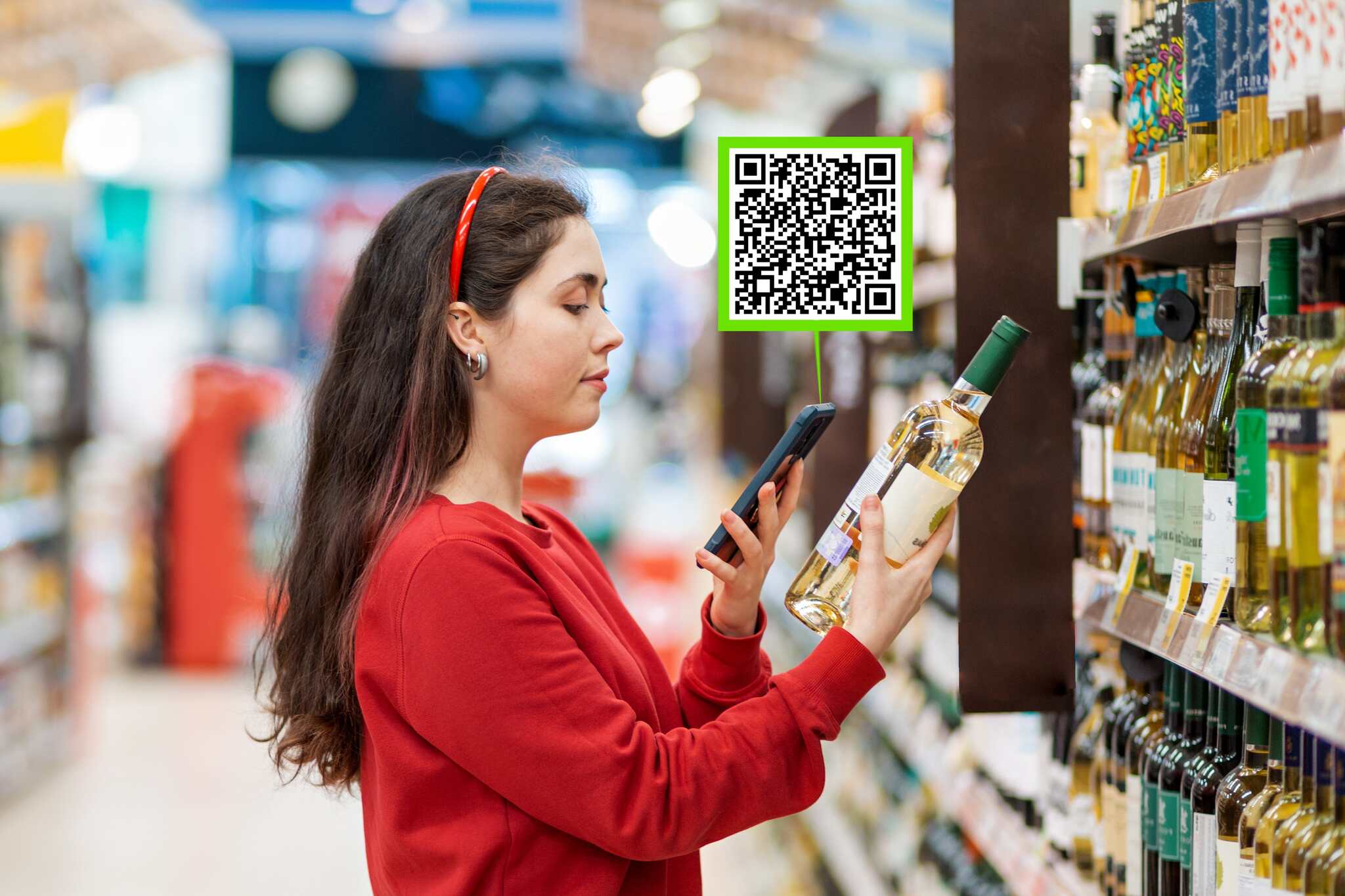
QR codes on product packaging turn a one-way label into a measurable digital channel — linking each pack to product info, AR demos, loyalty offers, recycling guidance, or supply-chain proof. QR code labeling hit a $1.93 billion market in 2025, and most shoppers now scan before checkout. The 13 use cases below are what's working in 2026.
How do you use QR codes on product packaging?
Use dynamic QR codes on product packaging to link physical products to digital experiences — product information, video tutorials, AR demos, loyalty sign-ups, authenticity checks, and reorder flows. Place a 1cm minimum code with a clear quiet zone in a flat, scuff-free area, then track every scan so you can measure which use cases actually drive sales and which ones can be retired.
Why QR Codes on Product Packaging Matter in 2026
Packaging used to be passive. Today it's a measurable channel. According to Supercode's analysis of Statista's Global Smart Packaging Report, QR code usage on product packaging grew 44% year-on-year in 2025, and 60% of shoppers now scan QR codes for product information before they buy (NielsenIQ, 2025 Consumer Transparency & Tech Report). That second number is the one I think about most. The decision is happening on the shelf, with the customer's thumb on the code, not on the website three days later.
Three forces are pushing this forward in 2026:
- Regulation: The EU's Digital Product Passport rules and FDA labeling expansions are pushing brands to offload disclosure data off the physical label.
- Cost of reprints: A static URL or printed promo locks you in. A dynamic QR code lets you change the destination without touching the printer.
- Attribution gaps: Marketing teams are tired of guessing whether the packaging redesign worked. Scans are countable. So are conversions from those scans.
The 13 use cases below are ordered from foundational (do these first) to advanced (do these once the basics are converting). Each one includes a real implementation path you can start this quarter.
Quick overview of all 13 ways:
- Link to detailed product info — Free up label real estate by offloading nutrition, specs, and ingredients to a scan.
- Promote limited-time offers — Run scan-only discounts that expire automatically.
- Drive sustainability and recycling guidance — Show local disposal instructions and material breakdowns.
- Enable supply chain transparency and traceability — Let buyers trace ingredients or components back to the source.
- Power loyalty program sign-ups — Skip the form, scan to enroll.
- Authenticate products against counterfeits — Unique scan IDs flag fakes in seconds.
- Trigger AR experiences and gamified unboxing — Turn packaging into a 30-second branded moment.
- Collect customer feedback at the point of use — Catch reviews when the product is still in their hand.
- Tell brand stories and surface values — Video, founder notes, sourcing footage.
- Send customers to recipes, styling, or use-case content — Increase usage frequency and basket size.
- Make reordering one tap — Send to a pre-filled cart or subscription page.
- Provide multilingual product information — Auto-detect language at scan.
- Display certifications, awards, and lab results — Verify claims that won't fit on the box.

1. Link to Detailed Product Information: Free Up Label Real Estate
This is the easiest place to start. Instead of cramming ingredient lists, nutritional panels, allergen warnings, and usage notes onto a 4-inch box, route the deep detail through a QR code and keep the physical label focused on brand and the top three selling points.
How to implement:
- Build a single product detail page per SKU. Include the full ingredient list, nutritional facts, allergens, sourcing notes, expiry guidance, and usage instructions in that order.
- Generate a dynamic QR code for each SKU so you can update the destination URL after print without reprinting cartons.
- Set the on-pack call-to-action to something specific like "Scan for full ingredients" — generic "Scan me" copy converts roughly half as well in our experience with consumer goods clients.
- Add a fallback short URL underneath the code so scanner-shy buyers still have a way in.
- Log scans by SKU to see which products generate the most curiosity at shelf.
Sephora prints QR codes on testers and shelf tags that pull up shade matching and a full ingredient breakdown — the kind of detail that doesn't fit on a 30ml bottle. Expect 2-4% of buyers to scan within the first 30 days of launch on a new product, climbing to 6-8% once the call-to-action is refined and you've A/B tested placement.
2. Promote Limited-Time Offers: Run Scan-Only Discounts
Scan-only promotions create scarcity and give you precise attribution. The customer has to physically interact with the package to claim the offer, which both increases perceived value and tells you exactly which SKU and batch is driving conversion.
How to implement:
- Use a dynamic QR code so you can switch the offer mid-campaign without reprinting. A static QR locks you into one URL forever — useless when promos rotate.
- Route the scan to a landing page with a single, time-limited code (e.g., PACK10 valid 7 days).
- Geo-target the redirect when relevant — a scan in the US can land on a US store, a scan in Germany on the EU store with the right currency.
- Cap redemptions per device to stop bulk abuse.
- Track scan-to-redemption conversion. Below 20% means the offer isn't strong enough or the landing page is leaking.
Coca-Cola's "Share a Coke" campaign tied QR codes to personalized digital content, and the campaign generated tens of millions of scans because the offer felt exclusive to the can in your hand. For most CPG brands, expect 1-3% of units sold to scan a promo code, with redemption rates of 25-40% on a well-targeted offer.
3. Drive Sustainability and Recycling Guidance
Gen Z and millennial buyers actively check sustainability claims before purchase, and a paper recycling symbol on the side of a box rarely tells the whole story. A QR code can show local recycling instructions, the recycled content percentage of the package itself, and the brand's reduction targets.
How to implement:
- Build a recycling page with three sections: how to disassemble the packaging, where each component goes (PET, paper, soft plastic), and your brand's measurable sustainability commitments.
- Use geolocation to show the correct recycling rules for the buyer's region — UK kerbside collection differs from German Grüner Punkt, which differs from US single-stream.
- Add a "what we're doing next" section with dated milestones, not vague pledges.
- Include third-party certifications (FSC, B Corp, Cradle to Cradle) with linked verification.
- Refresh the content quarterly — outdated sustainability pages get screenshotted and shared on social, and not in a good way.
Patagonia uses QR codes on hang tags to share repair guides and material traceability for their Worn Wear program, which has saved millions of garments from landfill. For brands new to sustainability disclosure, expect 8-12% of scanners to spend more than 30 seconds on the recycling page if the content is local and specific.
4. Enable Supply Chain Transparency and Traceability
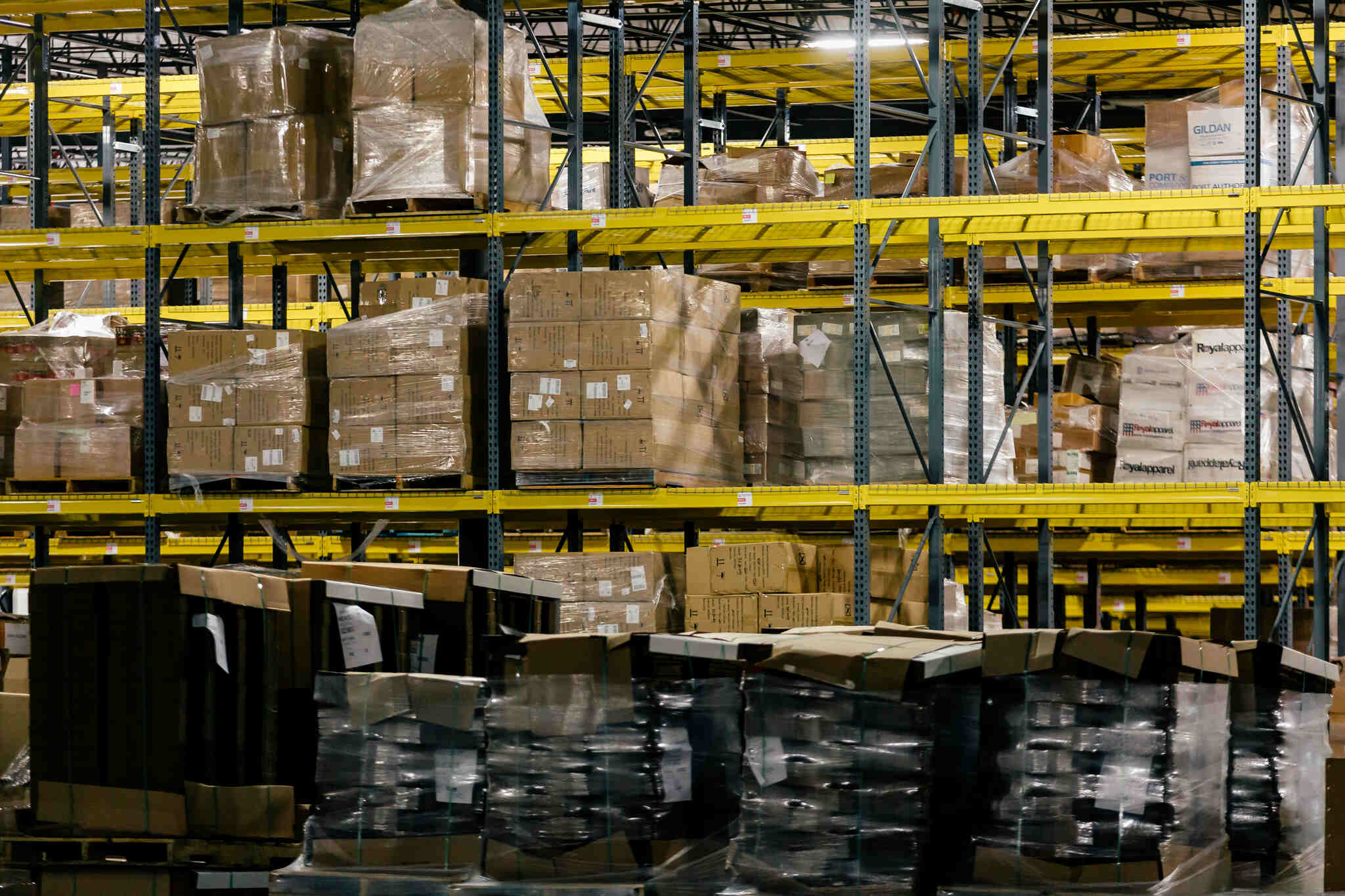
This used to be a luxury-goods feature. In 2026 it's a compliance requirement for food, cosmetics, and electronics in several regions. A QR code can map a product back through its supply chain, batch number, factory, and even the farm or quarry where raw materials came from.
How to implement:
- Generate one QR code per batch, not per SKU. The destination URL should pass a batch parameter that loads batch-specific data.
- Connect your ERP or warehouse management system to a public-facing traceability page so the data updates without manual lift.
- Show, at minimum: harvest or production date, factory or origin, certifications applicable to that batch, and a contact route for questions.
- Don't overshare. Internal supplier names, factory floor plans, and pricing data don't belong on a public scan.
- Audit the chain end-to-end before launching. A traceability page with broken or vague data is worse than no page.
Honest Tea pioneered batch-level traceability with QR codes that showed leaf origin and brew date — and consumer trust scores measurably improved in their post-launch surveys. Expect traceability scans to convert into repeat purchase at roughly double the rate of non-scanners in food and beverage categories.
5. Power Loyalty Program Sign-Ups Without a Form
Most loyalty programs lose people at the sign-up form. A QR code on packaging can pre-fill an account with the product purchased, the batch, and the date of scan — turning a 6-field form into a 2-tap join.
How to implement:
- Route the QR scan to a one-screen mobile flow: email or phone, password (or magic link), done.
- Award a starting balance on first scan — 100 points for joining is more motivating than the promise of future rewards.
- Tie each subsequent scan to point accrual so customers train themselves to scan packaging on the next purchase.
- Send a welcome email within 60 seconds of the scan, while the moment is still hot.
- Make the loyalty portal a progressive web app so customers don't have to install anything.
Starbucks has long used QR-enabled loyalty mechanics in-store, and the share of revenue from members has stayed above 50% in their North American business. For mid-market CPG brands, expect a 3-5x lift in loyalty enrollment when you replace a printed sign-up URL with a scannable code on packaging.
6. Authenticate Products and Fight Counterfeits
Counterfeit goods cost the global economy hundreds of billions a year, and product packaging QR codes are now one of the cheapest ways to fight back. The trick is using a unique scan ID per unit, not the same code on every box.
How to implement:
- Generate serialized QR codes — each unit gets a code that's tied to a database record (not a static URL).
- On first scan, mark the code as activated. Any subsequent scan shows the buyer the activation date and warns if it's unusual (e.g., 9 months and four continents apart).
- Show a green "verified authentic" badge with batch and factory info on a legitimate scan.
- Show a "this code has been scanned before" warning if a counterfeiter has copied the code.
- Combine with covert anti-counterfeit features like microtext or invisible UV ink on premium products — the QR is the consumer-facing layer, the covert feature is your legal evidence.
Alibaba rolled out serialized QR codes on Tmall Global products to flag fakes at the point of scan, and reported sharp drops in counterfeit complaints in pilot categories. For luxury, electronics, and pharma brands, expect a 15-30% reduction in counterfeit-related returns within 12 months of rollout if the consumer-facing communication is clear.
7. Trigger AR Experiences and Gamified Unboxing
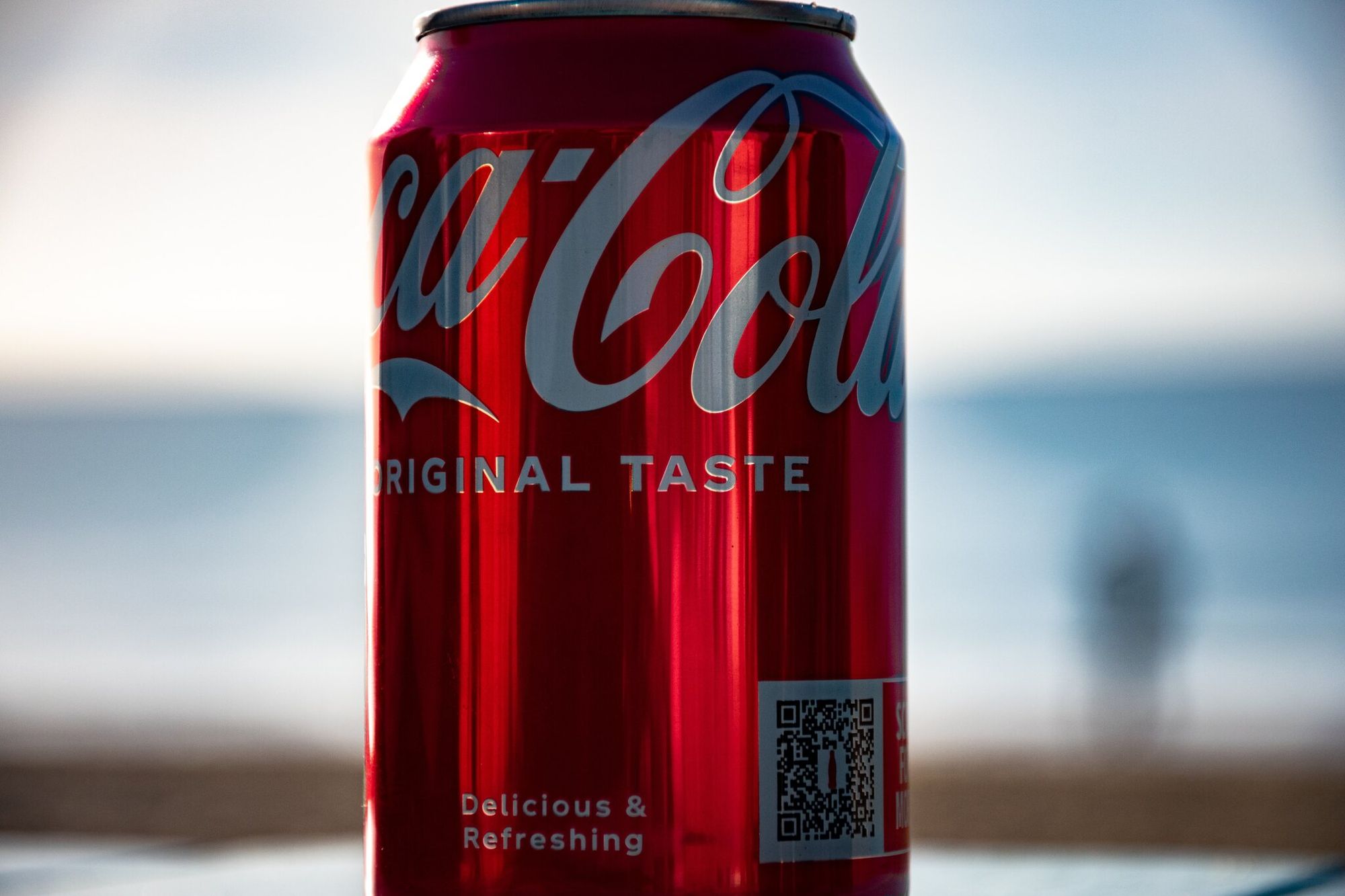
AR-enabled packaging is no longer experimental. Phones in 2026 ship with capable AR runtimes by default, and the friction to launch an experience from a QR scan has dropped to one tap. The use case that converts best is short-form: a 30-second branded moment, not a 5-minute immersive experience.
How to implement:
- Pick one AR experience type that fits the product: virtual try-on (cosmetics, eyewear), product-in-room (furniture, electronics), or animated brand mascot (kids' food, beverages).
- Use a WebAR platform like 8th Wall or Zappar so the experience launches in the mobile browser — no app install.
- Limit load time to under 3 seconds. AR experiences that take longer to load lose roughly 40% of scanners before the experience even starts.
- Add a clear share button at the end. The point of gamified unboxing is the social loop, not the unboxing itself.
- Set the dynamic QR destination to swap experiences seasonally without reprinting cartons.
Heinz ran a Trivial Pursuit AR game on ketchup bottles that gave scanners a chance to win a five-figure prize, and the campaign drove millions of scans within weeks. For most brands launching AR on packaging, expect 20-35% of scanners to share the experience to social if the moment is genuinely fun.
8. Collect Customer Feedback at the Point of Use
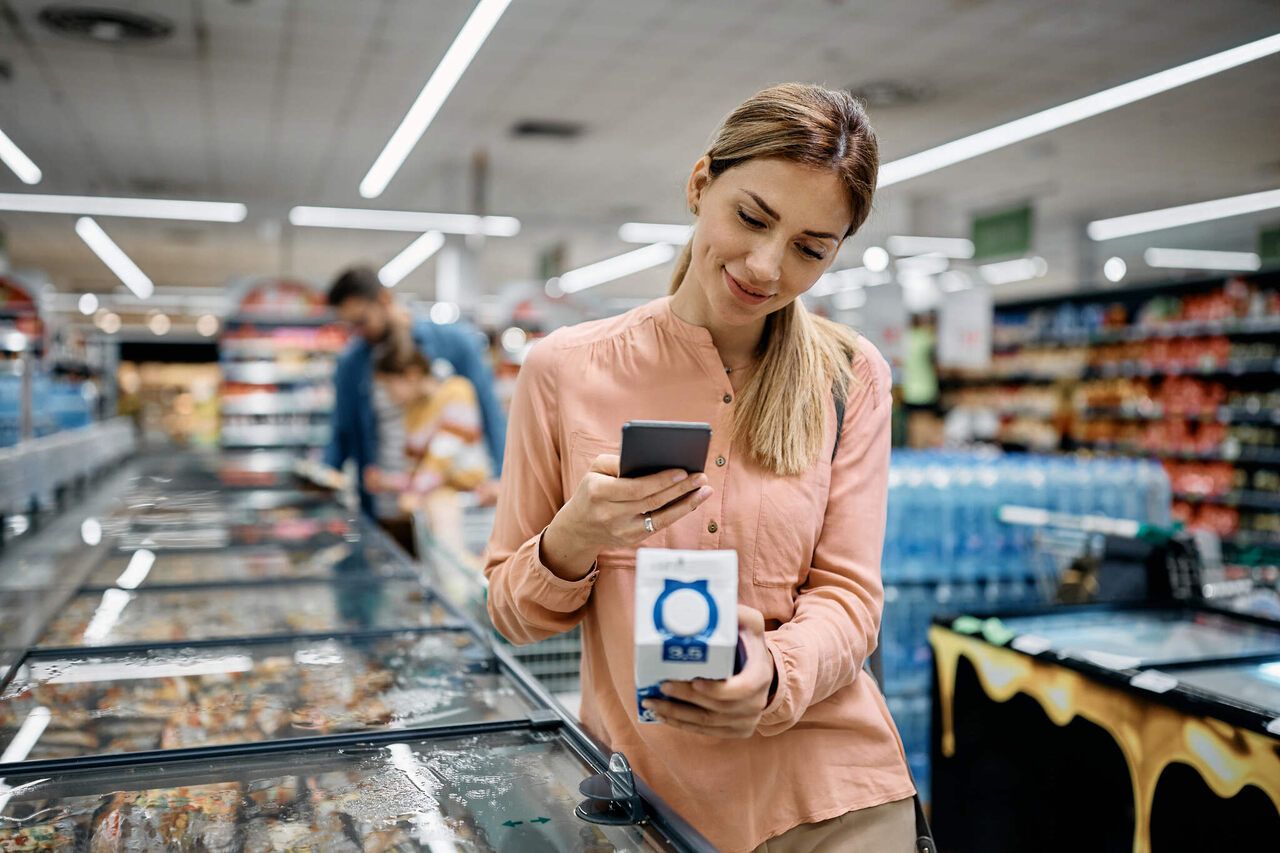
The feedback you get a week after delivery is contaminated by memory. The feedback you get when the customer is still holding the product is gold. A QR code on packaging that opens a 2-question survey lets you collect that signal at scale.
How to implement:
- Keep the survey to two questions max: a 1-5 rating and one open-ended "what's one thing we could improve?" Anything longer cuts response rate by more than half.
- Pre-fill the SKU, batch, and scan timestamp so the customer never has to type product info.
- Reward the response with something small — early access to a new flavor, a 10% off code, or entry to a quarterly draw.
- Route 1-3 star responses to a customer service inbox automatically. Don't wait for them to leave a public review.
- Aggregate responses by batch so quality control can spot a bad run before it reaches retail at scale.
Yelp and Trustpilot integrations on consumer goods packaging have boosted verified review counts by 5-10x in case studies from packaging research firms. Expect 1-2% of customers to respond to a packaging QR survey, which compounds quickly across a 100,000-unit run.
9. Tell Brand Stories and Surface Values
Brand storytelling on packaging is constrained by space. A QR code lifts that constraint without diluting the physical design. The catch: nobody wants to watch a 4-minute corporate brand video. The story has to be cut for the format and the moment.
How to implement:
- Lead with a 30-second video. If the founder's story or sourcing story is genuinely interesting, it has to land in 30 seconds.
- Follow the video with a 200-word written version for non-video viewers.
- Include a single, specific call-to-action at the end: follow on Instagram, join the newsletter, or read the founding manifesto.
- Localize the video subtitles for your top three markets. Auto-translated captions hurt more than they help on a brand story.
- Refresh the story content at least once a year — last year's brand story feels stale fast.
Lush prints QR codes on their solid shampoo bars that link to sourcing footage from the cooperatives they buy from, and the content has driven measurable lifts in repeat purchase among new customers. For brands with a genuine origin story, expect 12-18% of scanners to watch the full 30-second video and roughly half of those to convert into a follow on social.
10. Send Customers to Recipes, Styling, or Use-Case Content
The fastest way to increase consumption frequency on a CPG product is to give customers new ways to use it. A QR code that routes to recipe content, styling guides, or use-case demos can lift consumption per household by 10-20% in well-tested categories.
How to implement:
- Build a content hub organized by ingredient or product, not by recipe collection. The customer is starting from "I have this jar of harissa, what do I make?"
- Tag content by skill level, cook time, and dietary restriction so scanners can filter.
- Add an "I made it" button that pulls the scanner into a UGC loop — submit a photo, get featured.
- Rotate the featured recipe seasonally via the dynamic QR destination so the same code stays relevant.
- Include a buy-again button at the bottom of every recipe. Inspiration plus reordering in one flow.
Tabasco's recipe scan-to-content campaign drove a measurable lift in repeat purchase rates among scanners versus a control group, according to their reported case study. Expect 25-40% of recipe scanners to spend over 60 seconds on the content if the recipes are short, photographed well, and filter by what's in their pantry.
11. Make Reordering a One-Tap Action
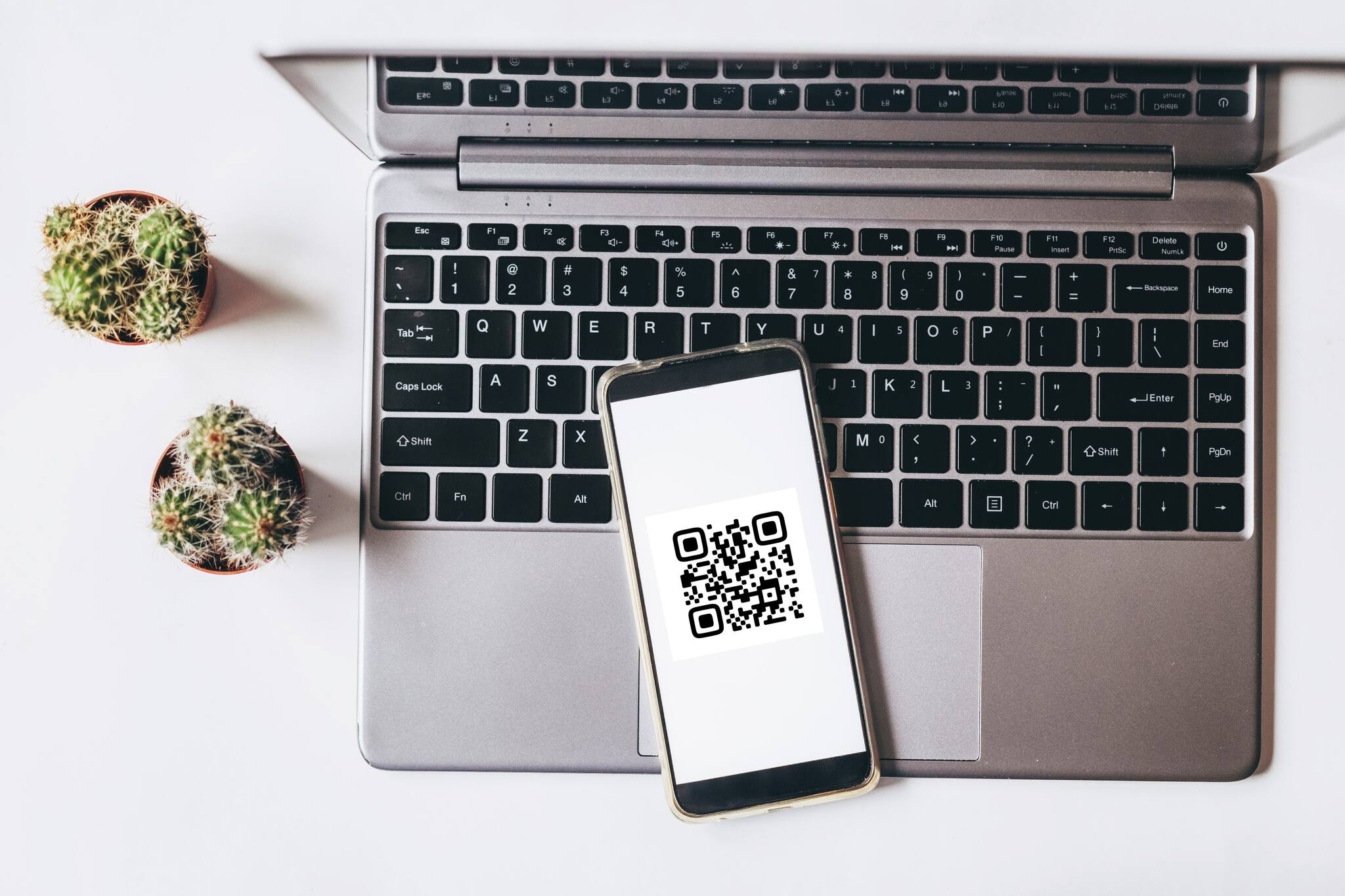
Reordering on most ecommerce sites takes 5-7 clicks: find product, choose variant, add to cart, log in, checkout. A QR code on packaging can collapse that to one tap by sending the scanner to a pre-filled cart tied to their account.
How to implement:
- Detect if the scanner is logged in. If yes, drop them into a pre-filled checkout with the same SKU and variant they're holding.
- If no, offer guest checkout with email-only auth so you don't lose them at the password wall.
- Surface a "subscribe and save" option at the same step. Some products convert better to subscription off a packaging scan than off a checkout banner.
- Show estimated delivery date based on the scanner's location at the top of the cart.
- Track scan-to-purchase conversion separately from other reorder channels — this is a different intent signal and deserves its own measurement.
Dollar Shave Club and Quip use packaging QR codes for one-tap subscription management, and reported reorder conversion rates several multiples higher than email campaigns. Expect 4-8% of packaging scans to convert to a reorder for consumable categories, with subscription opt-in rates of 15-25% on top of that.
12. Provide Multilingual Product Information
Printing nine languages on a tube of toothpaste is a nightmare for designers and a small font for everyone. A QR code can detect the scanner's device language and serve the right content automatically, freeing the physical pack for one or two priority languages.
How to implement:
- Build language variants of your product information page. Don't rely on browser auto-translate — it consistently mistranslates ingredient and allergen terms.
- Use HTTP Accept-Language headers to auto-route the scanner to the right language version.
- Add a language switcher at the top of the page in case the default is wrong.
- Get a native-speaker review for every translation, especially for compliance-critical content like allergens, dosage, and warnings.
- Audit the scan-to-page analytics by language to see which markets are actually scanning. The data often surprises export teams.
Nestlé runs multilingual product pages off packaging QR codes in markets across Asia and the Middle East, and reports significant reductions in customer service calls about ingredients. For brands sold across more than five language regions, expect 30-50% of scans to come from languages not printed on the pack within 6 months of launch.
13. Display Certifications, Awards, and Lab Results
"Organic," "lab-tested," and "award-winning" claims on packaging get skimmed. The proof — the actual certification number, the lab PDF, the award listing — rarely fits. A QR code can carry that proof without crowding the front of pack.
How to implement:
- Build a single trust page that lists every active certification with the issuing body, certificate number, valid-until date, and a link to the issuer's verification portal.
- Include third-party lab results as downloadable PDFs for categories where this matters (CBD, supplements, cosmetics).
- Show awards with links to the original announcement, not just the logo. A logo without a source link reads as fake.
- Remove expired certifications immediately — leaving a lapsed cert visible is a trust killer.
- Tag the trust page in your structured data so it can also surface in Google product search and AI Overviews.
L'Oréal's Garnier line uses QR codes on packaging to surface vegan and cruelty-free certifications with full verification links, and the brand has reported increased trust scores among ethical-purchase buyers. Expect 5-10% of scanners on personal care and supplements to spend 90+ seconds reading certification pages if the proof is genuinely there.
Best Practices for QR Codes on Packaging in 2026
The 13 use cases above all assume one thing: the code actually scans. Here's the technical baseline that separates working QR packaging from the codes I see fail in retail aisles every week.
Minimum Size and Quiet Zone
Print the QR at a minimum of 2cm × 2cm (around 0.8 inches) for handheld scanning at arm's length. Smaller is possible on premium small-format packaging like cosmetics or supplements, but never below 1cm × 1cm and always with extra contrast. Keep a quiet zone of at least 4 modules (the smallest squares) around the code, completely free of graphics or text. For sizing rules across formats, see our breakdown on minimum QR code size.
Placement on the Package
Put the QR on a flat surface, not a curve or a fold. Boxes and bottles both have flat panels — find them and use them. Avoid placing the code on edges that take wear in shipping, or on materials that crease (like flexible pouches at the seal). Test scan-ability after the package has been through a real shipping run, not just on a fresh sample.
Contrast and Color
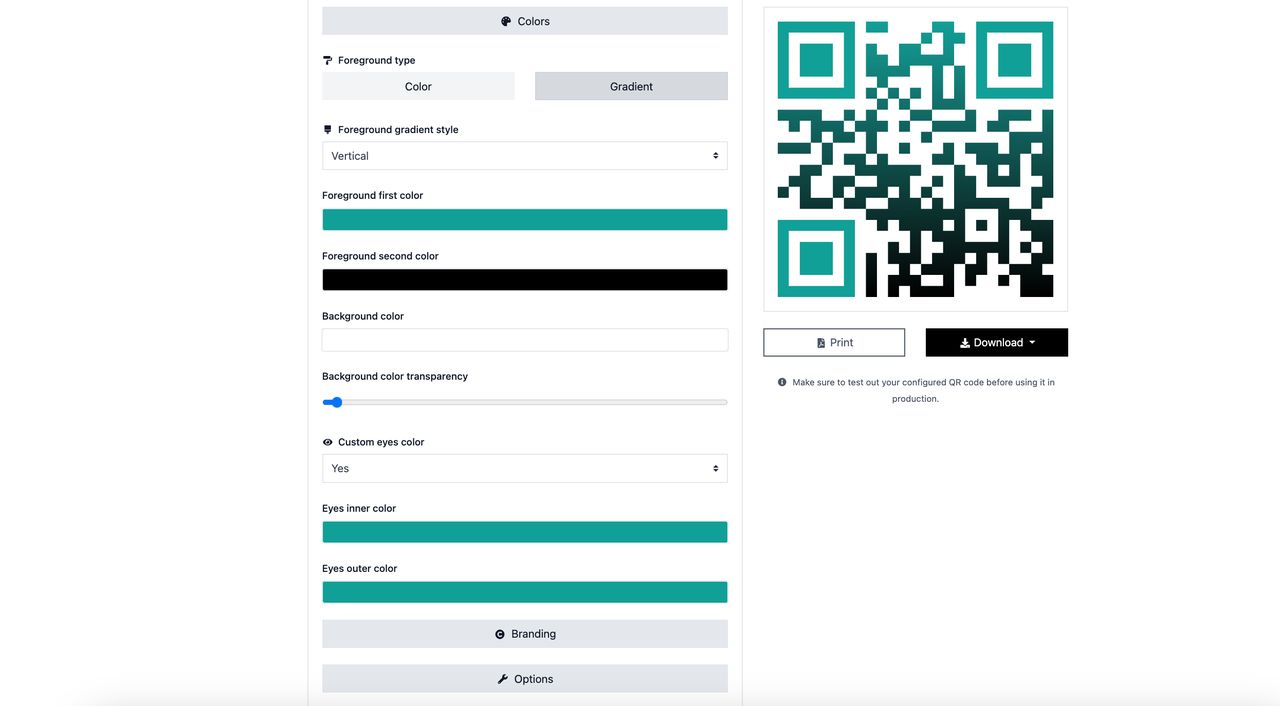
Black on white scans fastest and from the longest distance. If brand guidelines require color, keep the dark side of the QR significantly darker than the background — a contrast ratio above 50% is the floor. Inverted codes (light on dark) scan but with reduced reliability across older phone cameras. For brand-aligned color choices, our guide on creative QR code design ideas covers tested combinations.
Always Use Dynamic, Trackable Codes
Static QR codes burn one URL into the print run forever. Dynamic codes let you change the destination, run A/B tests, set time-based redirects, and measure scan analytics. The cost difference is negligible at any reasonable volume, and the flexibility is the whole point. A dynamic QR code from QR Code Dynamic gives you per-scan analytics, GPS, device, and time-of-scan data.
Add a Clear Call-to-Action
"Scan me" is the weakest CTA on packaging. Specific copy converts better: "Scan for ingredients," "Scan for a recipe," "Scan to verify authenticity." The CTA should answer the question the customer is asking the moment they pick up the pack.
Test on Real Phones in Real Light
Test the code with at least 5 different phones (mix of iOS and Android, mix of ages), under both warm retail lighting and cold daylight. If a code fails on any test, the print is too small, the contrast is too low, or the quiet zone is too tight. If you run into intermittent issues, our walkthrough on QR code scanning problems covers the common fixes.
How to Create QR Codes for Product Packaging
The mechanics of generating a print-ready QR code haven't changed much, but the difference between a code that works for 6 weeks and one that works for 6 years is in the platform you pick.
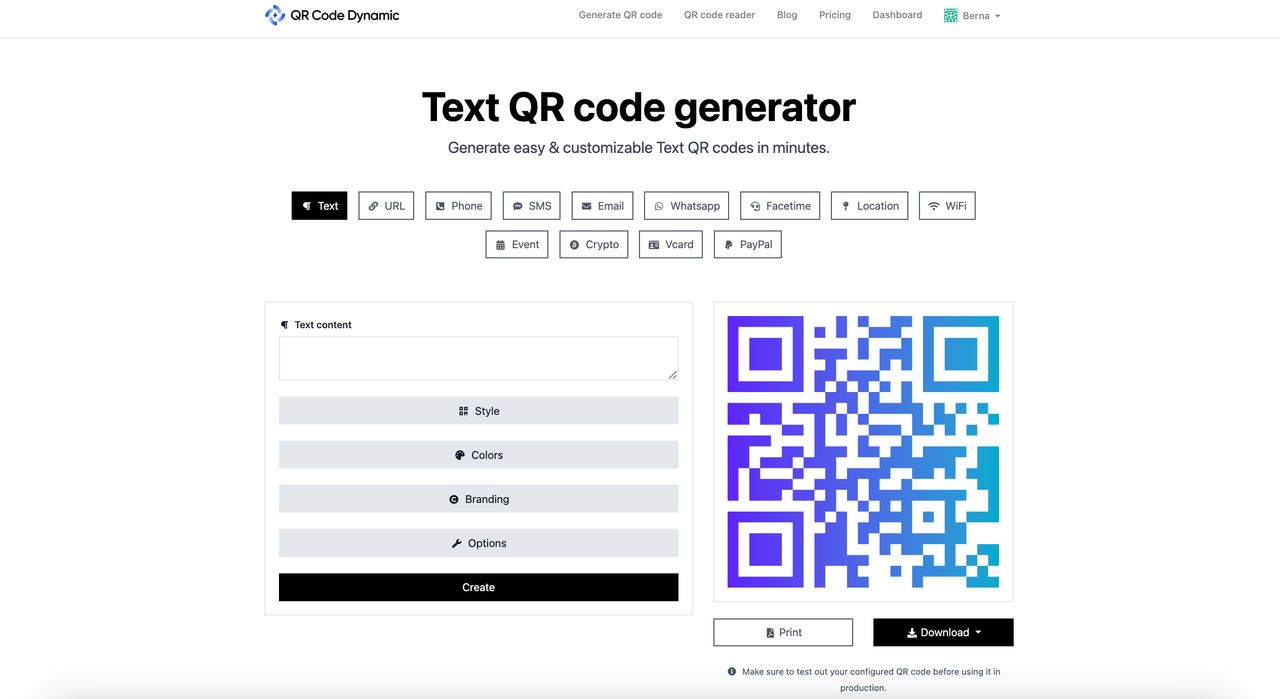
- Pick a dynamic QR generator with analytics. A free static QR generator is fine for a one-off poster, never for packaging. QR Code Dynamic gives you per-code edit access after print, plus scan analytics by location, device, and time.
- Decide the destination per SKU or batch. Map every QR code to a single page. Generic homepages get worse scan-to-conversion than specific landing pages by a wide margin.
- Customize the look without breaking scannability. Add a center logo (under 20% of code surface) and brand colors with sufficient contrast. Use error correction level H for logo-embedded codes.
- Export at the right resolution. Use SVG for print files. PNG works at 300dpi minimum for the final printed size. Vector beats raster every time at the printer.
- Test before mass print. Print a sample at actual size on the actual material, then scan with 5+ devices in real light.
- Build the redirect logic before launch. Set fallback URLs, language detection, and analytics tags up front, not after the truck has left the factory.
If you're running QR codes across multiple touchpoints, the same principles extend to QR codes in retail beyond packaging — shelf talkers, receipts, store windows. The packaging code is usually the highest-volume scan source, so treat it as the flagship implementation.
Pick the QR Code Use Case That Matches Your Packaging Goal
The brands getting real lift from QR codes on packaging in 2026 aren't running all 13 use cases. They've picked the two or three that map to the goal they care about right now — repeat purchase, regulatory compliance, counterfeit defense, or scan-attributed revenue — and they've built the technical baseline (dynamic codes, analytics, sane CTAs) before layering in more.
If you're starting from zero, run product info plus limited-time offers first. They're low effort, give you scan data within weeks, and prove the case internally to fund the next wave. Once those are converting, add loyalty sign-ups and one-tap reorder for retention, then move into AR and supply chain traceability as the brand story matures.
Generate your first dynamic packaging QR code with QR Code Dynamic's free generator — full analytics, no sign-up required for the first code, and you can switch the destination as your campaign evolves.
Frequently Asked Questions
How to use QR codes on packaging?
Pick one clear destination per code, use dynamic QR codes so you can change the destination after print, place the code on a flat surface at a minimum of 2cm × 2cm with a quiet zone, and pair it with a specific call-to-action like "Scan for ingredients" or "Scan to reorder." Always track scan analytics so you can see which packaging is actually getting interaction.
What is the purpose of a QR code on a product label?
A QR code on a product label connects the physical product to digital content the brand can't fit on the package — full ingredient lists, video tutorials, certification proof, loyalty sign-ups, AR experiences, and reordering flows. The label stays focused on the front-of-pack hierarchy while the QR carries the deep detail. Dynamic codes also let brands change the destination after print, which is the difference between a one-shot promo and an ongoing channel.
Is a QR code mandatory for any kind of pouch packaging?
QR codes are not yet mandatory across most pouch packaging globally, but several jurisdictions are moving in that direction. The EU's Digital Product Passport rules will require digital identifiers (often QR codes) on a growing list of product categories starting in 2026 and expanding through the decade. Food labeling regulations in several countries already accept QR-linked digital labels as a way to satisfy disclosure requirements. Brands selling internationally should plan QR implementation now, even where it's still optional.
How do I create QR codes for product packaging in 2026?
Use a dynamic QR code generator that gives you per-code editing, scan analytics, and high-resolution vector export. Map each code to a specific destination URL, customize with brand colors and a center logo (keeping contrast and error correction high), then export as SVG for print. Test the printed sample at actual size on the actual material with at least 5 different phones before approving the print run. Avoid free static QR generators for packaging — once printed, a static code can never be changed.
What are the benefits of QR codes on packaging?
The main benefits are measurable engagement (scan analytics), label real estate (offload detail to the digital page), flexibility (dynamic codes let you change destinations post-print), trust (authenticity verification and certification proof), and revenue lift (one-tap reorder and scan-only promotions). According to Printpack's 2026 packaging trends, 50% of consumers are likely to scan a QR code to learn more about a product, which makes packaging a measurable acquisition and retention channel rather than a passive billboard.